Stop Mandated Shunning becomes an NGO
A historic step toward upholding human rights over religious dogma. Operating under the Open Minds Foundation, we can now represent affected people and engage with governments, the EU and the UN.
Read moreMandated shunning forces people to cut off anyone who leaves or questions a high-control group. We unite survivors, researchers and legal experts to have it recognised – in law – as the human rights violation it is.
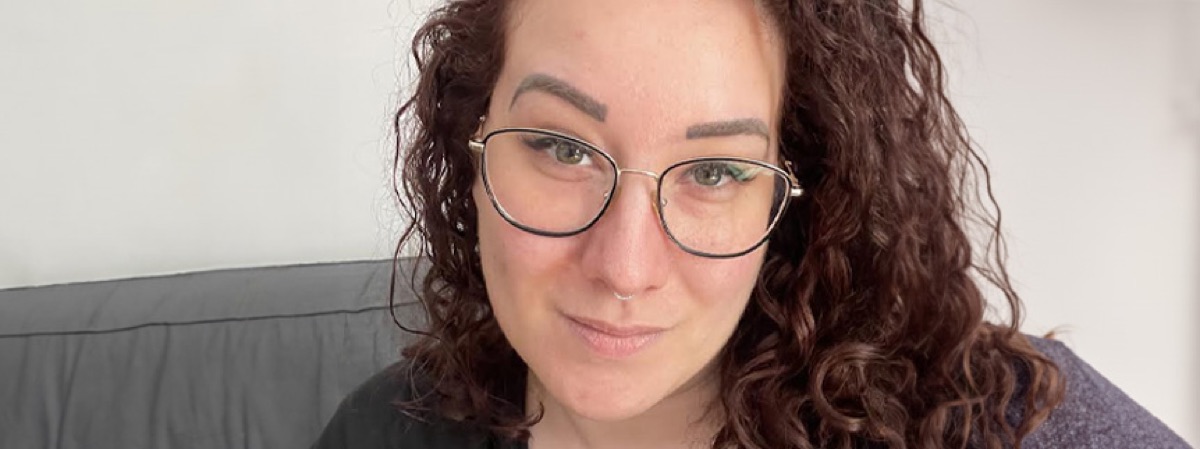
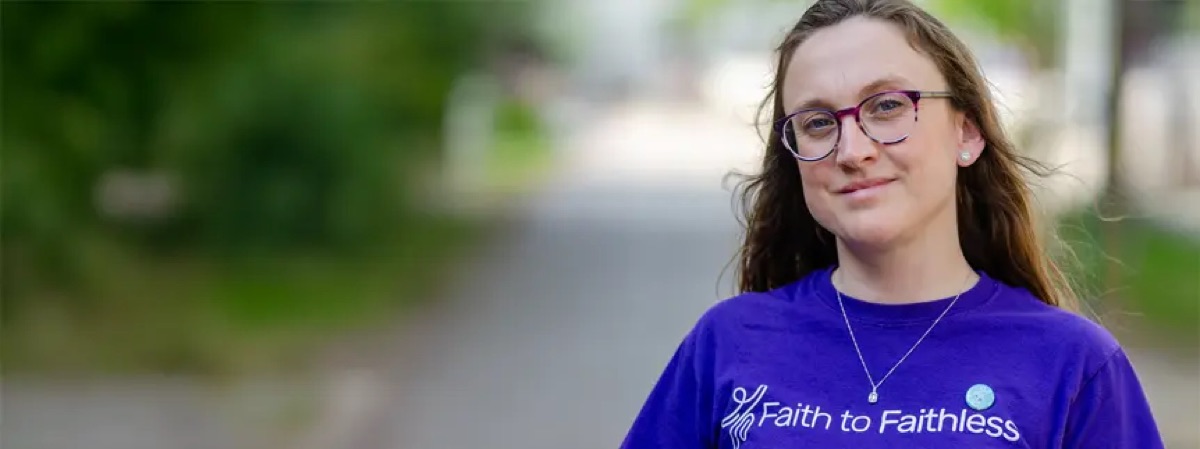
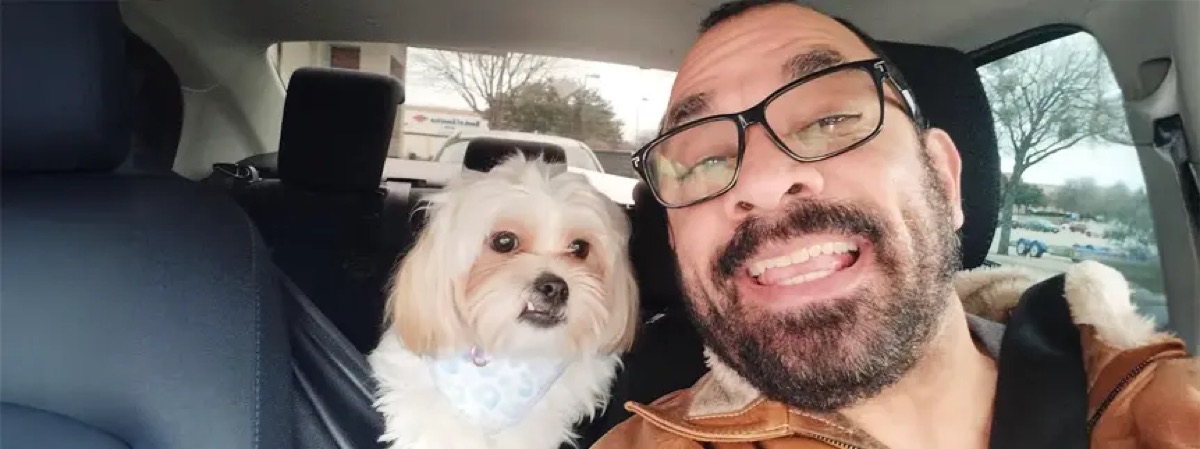
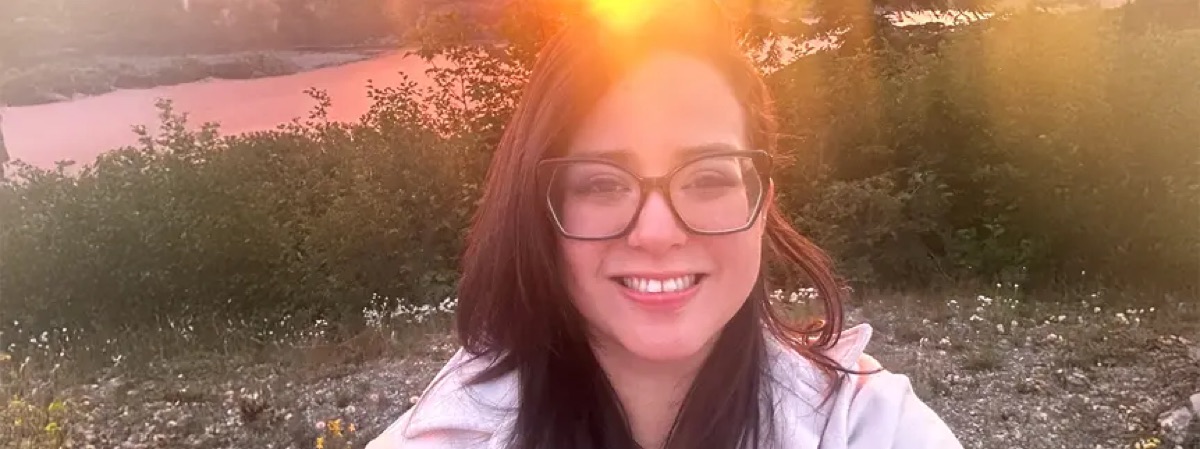
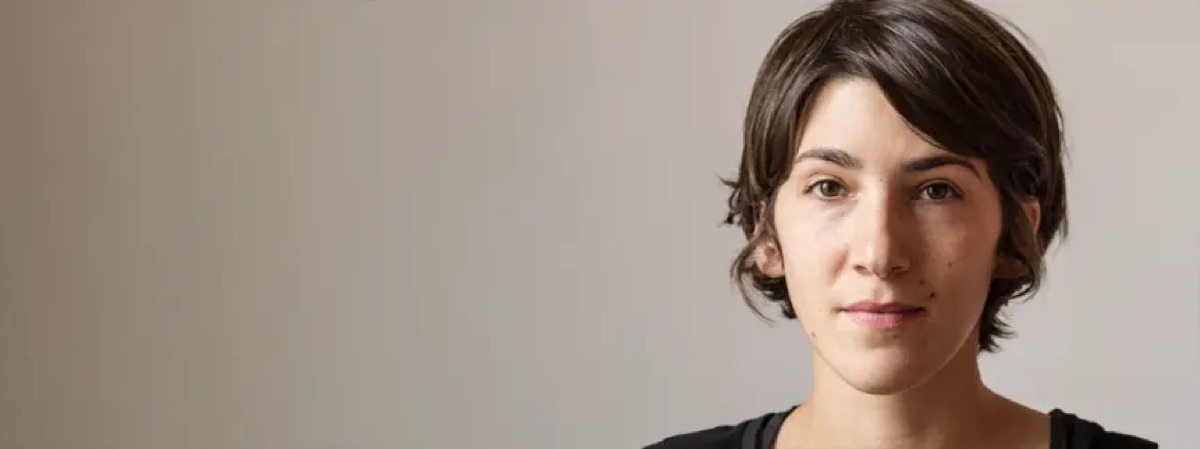
Lee Marsh · Canada
Richard E. Kelly · USA
Luisa Haas · Germany
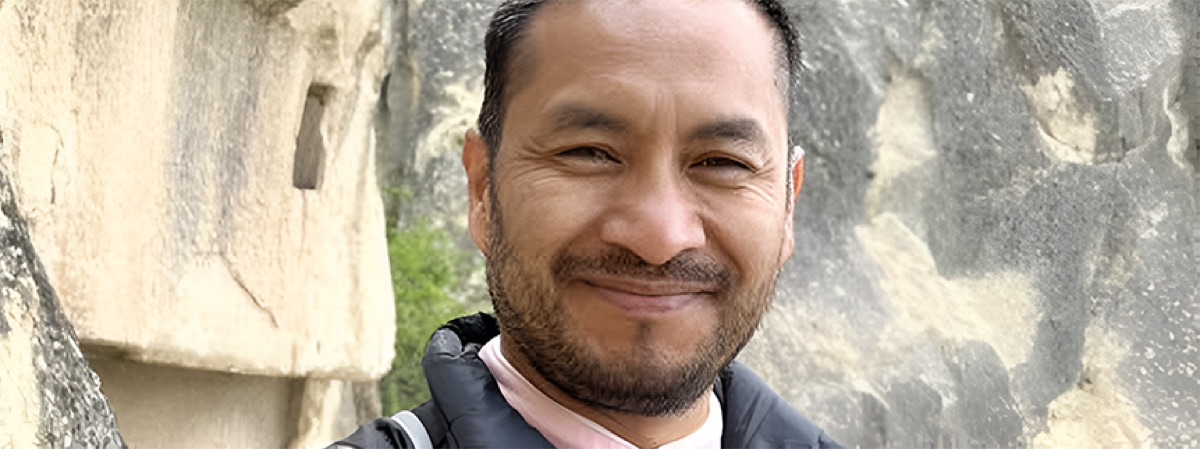
Pablo Rodríguez · Mexico
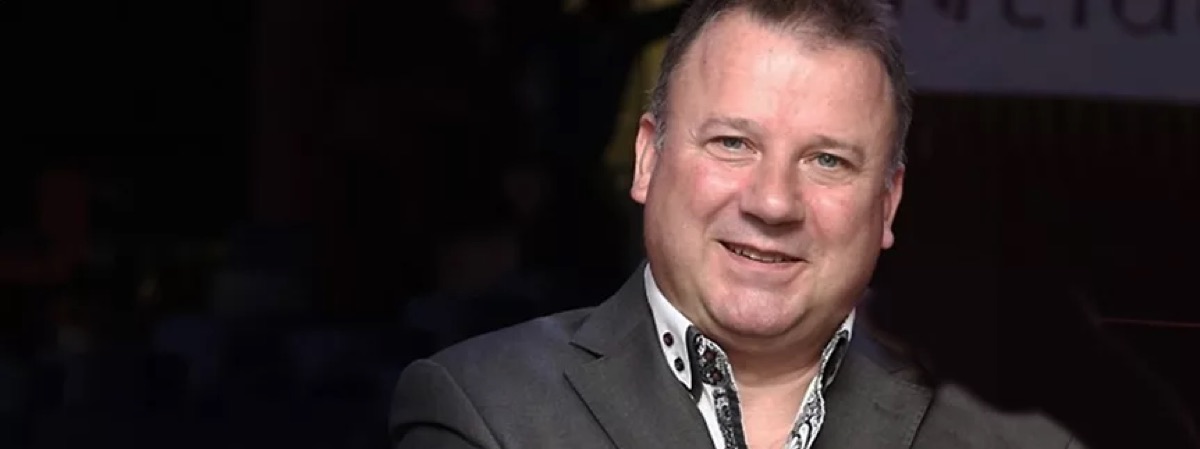
Patrick Haeck · Belgium
Esther Gebhard · Germany
Monica Velin · USA
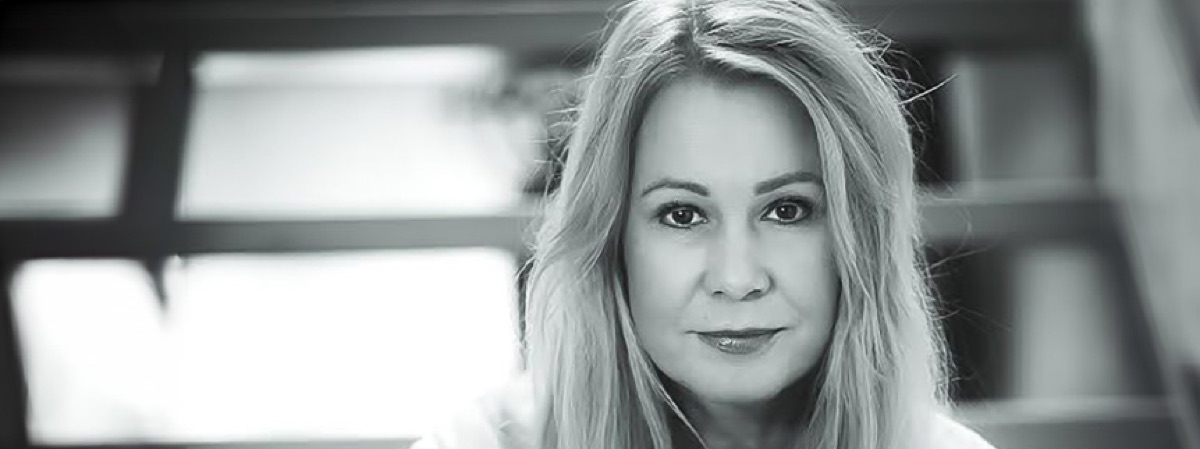
Julia Gutgsell · EstoniaFreedom of religion ends where freedom of religion is used as an excuse to hurt people.
Patrick HaeckFounder, Stop Mandated Shunning
Shunning is the deliberate isolation of a former member by a high-control group. It becomes mandated when the group requires every member to take part – and members who refuse risk being shunned themselves.
Most or all remaining members ignore and avoid the person.
Members are required to take part – it is not left to individual conscience.
The response is planned in advance, often written into the group's rules.
The group presents it as a loving, protective measure.
The threat of shunning keeps members from leaving or speaking up.
Psychological, relational and financial harm – in extreme cases, suicide.
Former members carry shame, even when leaving was their own choice.
The group circulates messages about the person's supposed failings.
People need trusting relationships to stay well. When an organisation interferes between spouses, parents, children and friends, the damage lasts for years – and often requires professional support to heal.
Parents are told to stop speaking to their children, children to their parents. Healthy boundaries are a choice; mandated shunning is an order.
High rates of post-traumatic stress are reported among people who have been shunned, affecting identity, trust and wellbeing.
Shunned people often absorb negative beliefs about themselves, which can make recovery and therapy harder.
Research by counselling psychologist Dr. Savin Bapir-Tardy shows how people who are shunned internalise negative beliefs about themselves. If you are struggling, please reach out to a mental health professional in your country.
Everyone has the right to step back from a relationship. What we oppose is an organisation forcing its members to cut off people they love.
Children growing up in high-control groups learn early that love can be withdrawn. They did not choose the rules – but they live with the consequences for the rest of their lives.
Public campaigns, media work and conferences that make an invisible harm visible.
Supporting independent academic research into the psychological and social impact of shunning.
Working towards a standard legal definition of mandated shunning, written into national law.
Connecting survivors, mental health professionals and human rights defenders across borders.
We support the separation of church and state. But when a religious organisation violates fundamental rights, the state not only may intervene – it must. Courts are beginning to take this seriously.
For the first time, a court recognised that religiously enforced shunning violates human rights and human dignity. The ruling was overturned on appeal and confirmed by the Court of Cassation – largely due to procedural failures in the investigation, not because the principle was wrong.
Norway withdrew registration and public funding from Jehovah's Witnesses, citing concerns including children's rights and social exclusion. The case has moved through the courts and keeps the question of state duties firmly on the table.
In 2025 a Tokyo court ordered the dissolution of the Unification Church over harmful practices – proof that states can act when an organisation's conduct is incompatible with citizens' rights.
Societies once tolerated child marriage and female genital mutilation in the name of faith or tradition. Today these are outlawed. Mandated shunning belongs in the same moral category.
Researchers at the University of Roehampton are studying the experiences and harms of mandated shunning. Solid evidence is what lawmakers need – and it starts with people who have lived it.
Presented the Stop Mandated Shunning campaign and survivor experiences to researchers and clinicians.
Independent academic study into the harms of mandated shunning at the University of Roehampton.
Brought the case for legal recognition of mandated shunning to a European audience.
Now operating under the Open Minds Foundation, with standing to engage governments and international bodies.
Continuing the conversation with the international research and survivor community.
Some of us speak publicly. Others must remain anonymous. All of us want the same thing.
EstoniaResearcher arguing that criminalising mandated shunning protects individuals, families and society.
Canada“Mandated Shunning has personally affected my family.” Lasting pain – for victims and for those forced to shun.
USAHas witnessed many cases over forty years and wants mandated shunning treated as a crime.
MexicoCalls taking part in shunning the deepest regret of his life, and hopes to mend his family's relationships.
USAHas seen shunning lead to attempted suicide, homelessness, loss of healthcare and broken families.
BelgiumFounder of the campaign, advocating for mandated shunning to be recognised as a hate crime.
GermanyConcerned for children whose parents practise shunning in faith-based groups such as Jehovah's Witnesses.
GermanyWorks with a victim support association and calls for concrete action.
Survivor story
Survivor story
Survivor story
Survivor story
Expert viewPersonal stories humanise this issue for lawmakers, journalists and courts. You decide how much you share and how it may be used.
My daughter stopped talking to me when I left the faith. I still send her messages every week – she never replies.
Shared anonymously with Stop Mandated Shunning · photo for illustrationA historic step toward upholding human rights over religious dogma. Operating under the Open Minds Foundation, we can now represent affected people and engage with governments, the EU and the UN.
Read moreNo. We defend freedom of thought, conscience and belief – for everyone, including believers. We oppose one specific practice: an organisation forcing its members to cut off people who leave or disagree. Not against faith, against fear.
Choosing to step back from a relationship is a personal right. Mandated shunning is different: it is required by the group, applies to all members, and members who refuse are punished themselves. That is coercion, not choice.
Former members of high-control groups and their families: parents, children, partners, grandparents and friends. It also harms those who are forced to shun, many of whom carry lifelong regret.
We are an advocacy organisation, not a support service. Our focus is awareness, research and legal reform. If you need help, please contact a mental health professional or a victim support organisation in your country.
Yes. You can share anonymously, you decide whether your story is published, your data is encrypted and never shared with third parties, and you can withdraw at any time. Read our consent page for details.
Stop Mandated Shunning operates under the Open Minds Foundation, a registered nonprofit. We rely on donations and grants to fund research, legal work and awareness campaigns.
Fund research, legal work and awareness campaigns. Donations go through the Open Minds Foundation.
Donate nowFormer member, family member or professional? Add your experience to the evidence base.
Start the surveyFollow us and share our stories. Every share reaches someone who thought they were alone.
Follow @SMShunning